


Karina Kavaleuskaya
She combines a passion for storytelling with a strategic mindset to help brands grow, stand out, and connect deeply with their audiences. Through thoughtful, impactful writing, she turns complex ideas into clear, engaging narratives that drive results.
Startup Mentors in Singapore: How to Choose a Mentor and 2026 List
- Last Time Updated: 3rd of February, 2026
Finding a startup mentor is key to startups sucess. The right mentor can get clear direction from someone who has helped founders make real business moves. The right mentor can shorten your learning speed, sharpen your product, and help you avoid costly mistakes in the run.
In this guide, you will find a short list of well-known startup mentors in Singapore and the programs or platforms they are connected to. Also, you will see how to choose the right mentor for your stage. What to ask on the first call, and what “good mentorship” should look like when you are building traction, revenue, or a funding story. Let’s dive in!
Build your startup with confidence
Table of Contents
How we chose these best Startup mentors of 2026 in Singapore?
To start with, picking the best startup mentor in Singapore is not an easy task. This is a practical shortlist, not an “official ranking.” Each person here meets clear criteria that help founders avoid guesswork. First, they are active in the Singapore startup ecosystem and easy to verify. Second, they mentor through a real vehicle, such as a fund, accelerator, residency, founder community, or operator-led program. Third, they have a defined strength like go-to-market, fundraising, product, hiring, or international expansion, so you can match help to your stage.
To keep this useful, every mentor entry includes: (1) who they help best, (2) what outcomes they push for, and (3) where you can work with them. We also avoid hype by focusing on specific roles, clear offerings, and public program pages you can check. If you’re searching for startup mentorship for Singapore founders you can actually use, this structure lets you compare options quickly and make a confident next step right now. Thus, let’s begin, shall we?
1. Featured startup mentor: Faustas Norvaiša (aboveA)
Up first is Faustas Norvaisa. If you want startup mentorship Singapore founders can use right away, his approach is built around execution, not theory. Faustas works with early-stage and growth-stage teams that need a clearer go-to-market plan, stronger lead flow, or a realistic expansion path. Mentoring starts by tightening the basics: who you sell to, what you promise, and why buyers should trust you. Then, together with him, you turn that into actions – offer design, messaging, funnel structure, and the pages that convert search intent into calls
This startup mentor works best when you need fast clarity and measurable progress. Many founders feel stuck because they are busy but not moving. The goal is to reduce stagnation or a sense of loss and build a repeatable system. That is a simple growth plan, weekly priorities, and tracking that shows what is working. If you are preparing for investors, he can help to shape the story around proof: traction signals, market logic, and a clear next milestone. Mentorship is remote-first and Singapore-ready. Now let’s below inspesct some quick facts:
Quick fit facts:
Best for: Early-stage and growth-stage founders who need traction, pipeline, or a clear go-to-market plan in Singapore
Core Strengths: Go-to-market clarity, lead generation systems, SEO-led demand capture, international expansion planning via aboveA’s Startup Accelerator
Core Specialties: Commercial-intent + AI, conversion paths, positioning, product launch, systems, and fundability
Mentorship style: Operator-first, weekly priorities, fast feedback loops, execution support
Advantages: Practical action plan, credibility-first approach, works well when time is limited and decisions must be fast
Disadvantages: Not a fit for casual chats only, or teams unwilling to execute weekly actions
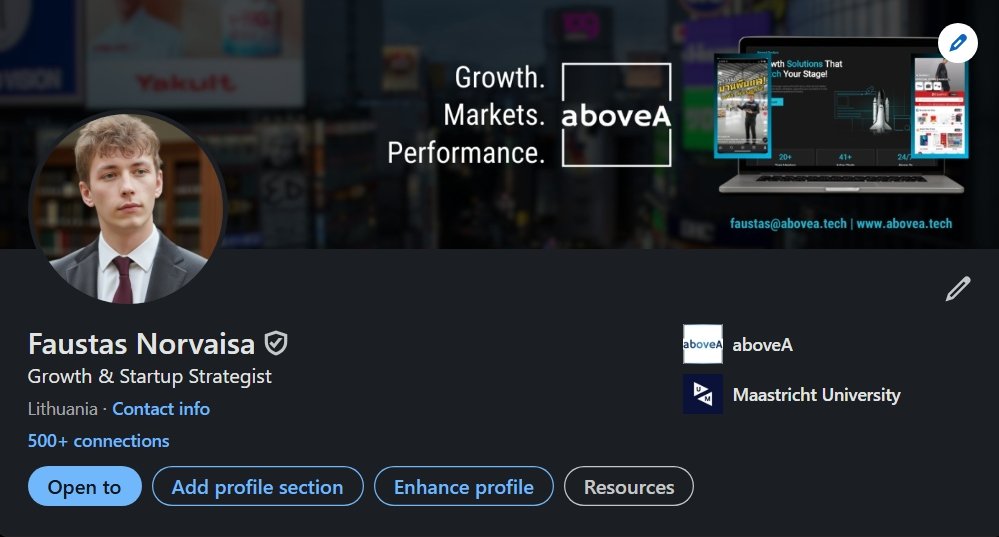
Image: Faustas Norvaisa LinkedIn Profile
2. Winnie Khoo (Antler) - Singaporean Startup Mentor
The second place belongs to Winnie, one of better known startup advisors in Singapore. She is a Partner at Antler in Singapore and is closely connected to how Antler supports founders from day zero through a structured residency path. If you learn best inside a program where expectations are clear and progress is time-boxed, this can be a strong fit. In 2026, Antler publicly highlights a streamlined six-week Singapore residency and explains its investment structure and participation model on its own pages, which makes it easy to verify what you’re signing up for.
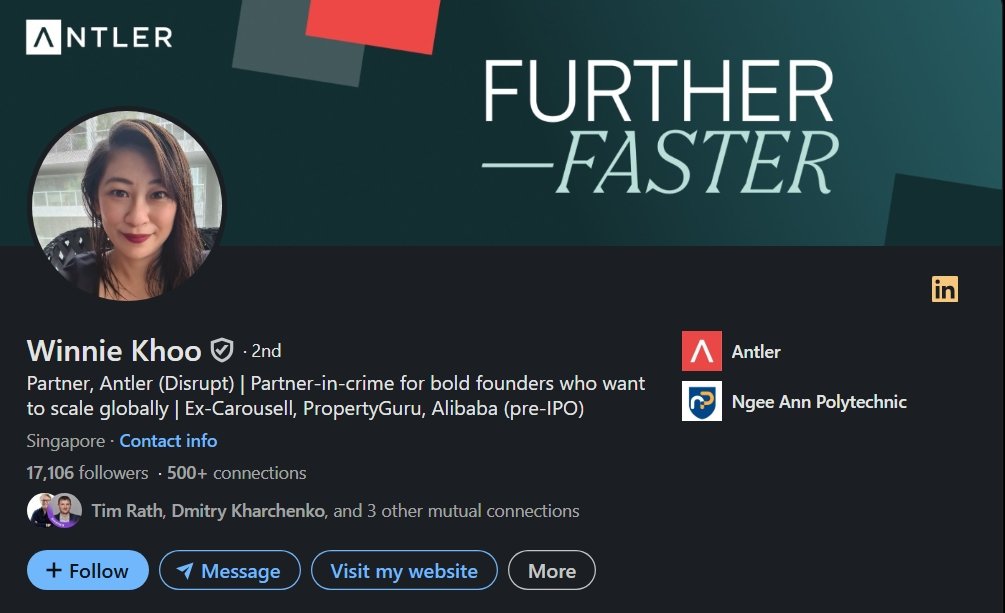
Image: Winnie Khoo LinkedIn Profile
Quick fit facts:
Best for: Founders who want structured startup mentorship Singapore options with a clear program, tight timelines, and strong early-stage pressure testing
Core Strengths: Founder assessment, team formation, early validation, execution pacing, pre-seed readiness
Core vehicle: Antler’s Singapore residency (revamped 6-week format in 2026)
Mentorship style: Operator-first, weekly priorities, fast feedback loops, execution support
Advantages: Clear structure, high founder density, fast iteration, strong early accountability
Disadvantages: Can feel intense if you prefer a slow, open-ended mentoring style; not ideal if you’re not ready to build and test weekly
3. David Yeng (Founder Institute Singapore) - Startup Mentor for Committed Founders
This startup mentor, David Yeng, is one of the local leaders behind the Founder Institute Singapore program, and the chapter publicly lists him as part of the team leading the program. If you want a mentor path that feels like a real build process rather than open-ended advice, this is a solid option. Founder Institute is designed for idea-stage founders who need structure, momentum, and pressure to ship. It’s also easy to verify what you’re joining because the program and leadership are clearly described on official program pages and chapter profiles.
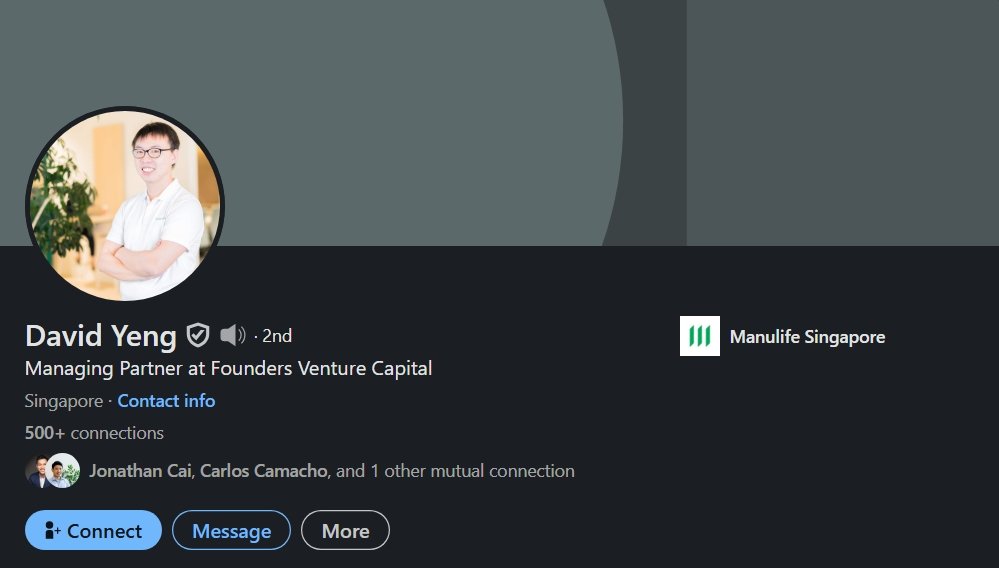
Image: David Yeng LinkedIn Profile
Quick fit facts:
Best for: First-time founders who want structured startup mentorship, Singapore options with weekly accountability, and clear build milestones
Core Strengths: Idea-to-launch discipline, founder execution habits, early validation, investor-readiness basics
Core vehicle: Founder Institute Singapore (idea-stage accelerator / startup launch program)
Advantages: Strong structure, consistent mentor touchpoints, clear deliverables and deadlines
Disadvantages: Not ideal if you want a relaxed pace; it suits founders who can commit time weekly and accept direct feedback
4. Kris Childress (NUS Enterprise) - Startup Mentor for High-Level Strategy
The fourth startup mentor is for those whose biggest problem is “we built something, but people don’t get it fast.” This mentor profile is a good match. NUS Enterprise programme coverage highlights him leading pitching-related sessions that focus on turning a vision into a clear message people can understand and support. This is especially useful before investor conversations, demo calls, or partnership outreach because a messy story slows everything down.
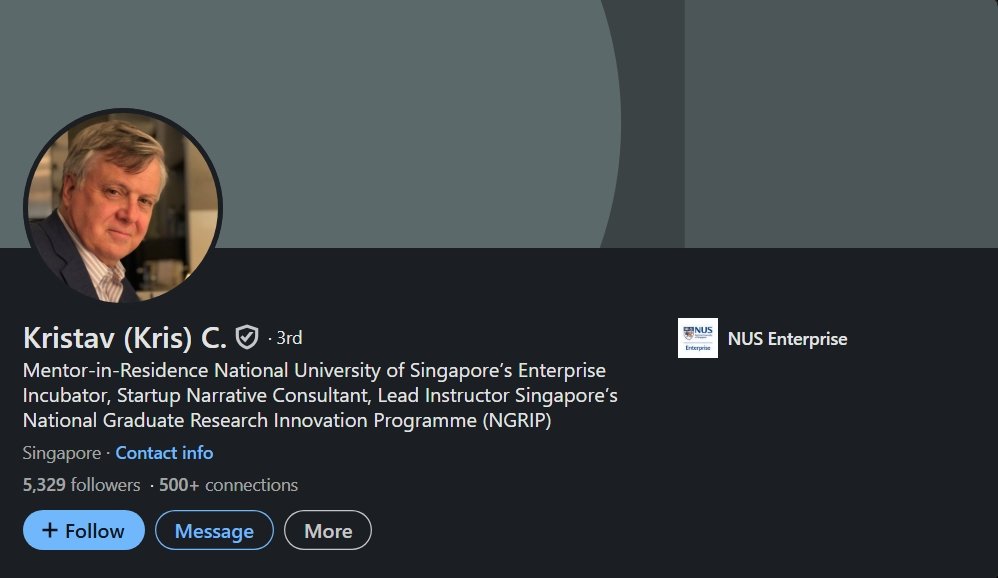
Image: Kris Childress Profile
Quick fit facts:
Best for: Founders (and early teams) who want structured mentorship around pitching, value proposition clarity, and early-stage execution in a Singapore university-linked ecosystem
Core Strengths: Clear storytelling, pitching workshops, sharpening the offer, and helping teams communicate their idea with confidence
Core vehicle: Mentor-in-Residence support connected to NUS Enterprise entrepreneurship initiatives and programmes
Advantages: Practical guidance in a structured environment, strong emphasis on clarity, and easy-to-verify public involvement through official programme coverage
Disadvantages: Best fit if you’re ready to workshop your message and iterate; less suited if you only want high-level strategy with no communication work
5. Dr. Virginia Cha (SGInnovate mentor network) - an Academic Mentor for Startups
That said, the following mentor in our list is unique due to her academic background. If you are building a technical product and your main risk is drifting too many ideas, not enough clear direction, this is the kind of mentor profile that can help. SGInnovate highlights Dr. Cha as an educator, mentor, and angel investor in Singapore’s entrepreneur ecosystem, with long professional experience across technology companies and new ventures. That matters because deep-tech founders often struggle with focus: what to build first, what proof to show, and how to make progress without wasting months. This is a good fit when you want mentorship that helps you move from “we’re building” to “we’re validating and shipping.”
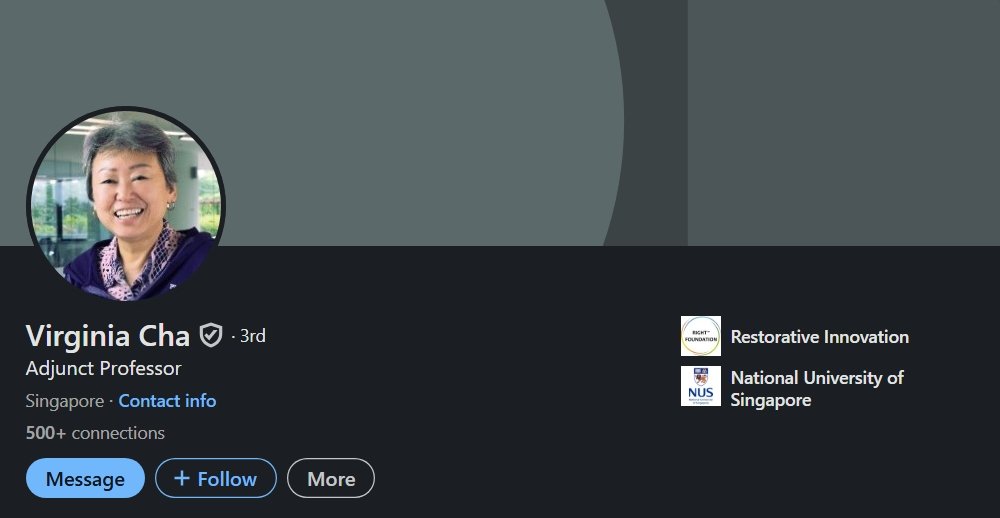
Image: Dr. Virginia Cha Profile
Quick fit facts:
Best for: Technical founders and deep-tech teams who want practical guidance from someone who has seen real venture-building patterns in Singapore
Core Strengths: Mentoring, venture building insight, connecting decisions to real-world execution in tech companies
Core vehicle: SGInnovate’s ecosystem events and mentor-facing initiatives (public sessions and community touchpoints)
Advantages: Strong “signal-to-noise” help for technical teams; good fit when you need clearer decisions, not more theory
Disadvantages: Less ideal if you want only generic startup motivation or broad lifestyle coaching (this style is more grounded and execution-oriented)
6. Fiona Ong (Wong Partnership LLP) - Startup Mentor for Protection and Safe Execution
Our last profile in the list is Fiona Ong. If you’re serious about startup mentorship Singapore founders can trust, legal guidance matters more than most teams admit. ACE’s Mentor-in-Residence event lists Fiona Ong as one of the legal mentors for a focused session on branding and legal support. This type of mentor is most useful when you’re moving from “building” to “selling and signing.” That includes customer contracts, partnerships, hiring terms, and anything connected to fundraising. The goal is simple: reduce risk, remove uncertainty, and help you make decisions you won’t regret six months later.
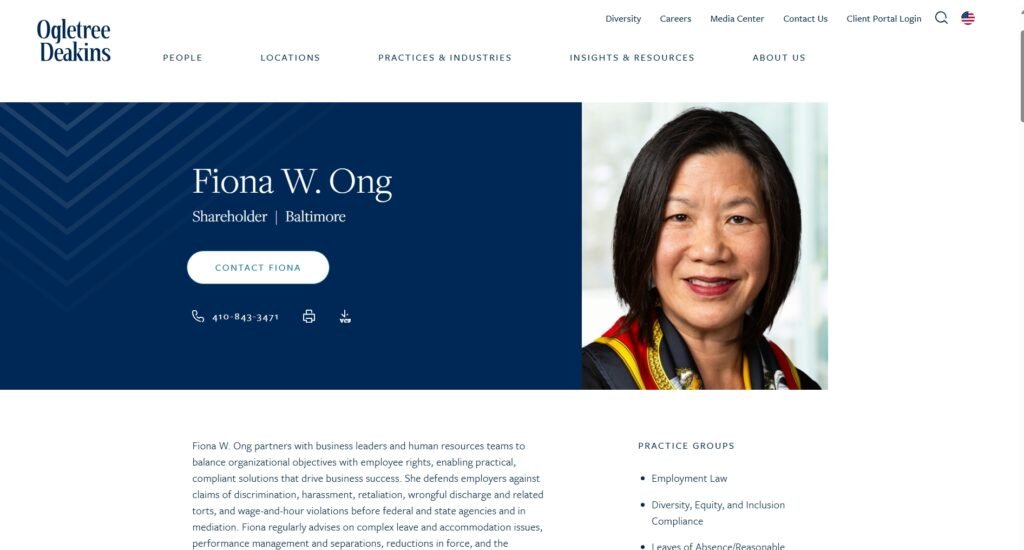
Image: Fiona Ong Profile
Quick fit facts:
Best for: Founders who need legal clarity before they scale, raise money, or sign big customer and partner deals
Core Strengths: Contracts, risk control, and helping startups avoid “small legal mistakes” that become expensive later
Core vehicle: Mentor-in-Residence sessions run by Action Community for Entrepreneurship Ltd (ACE) (Legal track)
Advantages: Very practical support for decisions that block growth (terms, obligations, liabilities, and deal structure)
Disadvantages: Not the best fit if you only want product or marketing mentorship; this is more about protection, structure, and safe execution
How to choose the right startup mentor in Singapore in 2026?
Startup mentorship in Singapore works best when the mentor matches your stage and your problem. A famous name is not enough. Before you commit, get clear on what you need help with, and what “success” looks like in the next 30–90 days.
Use this quick matching guide:
Idea → MVP: You need validation, offer clarity, and fast feedback loops.
MVP → First traction: You need positioning, a repeatable way to get leads, and conversion basics.
Traction → Scale: You need process, hiring decisions, partnerships, and stronger systems.
Fundraising: You need a sharper story, proof, and milestones investors trust.
Also check the mentor’s “vehicle.” Mentors tied to a program often bring structure, deadlines, and a community. Independent mentors often bring speed, flexibility, and deeper focus on your exact situation. The best choice is the one that fits your time, your pace, and your next milestone.
Questions to ask before you commit to startup mentorship Singapore
A startup mentor can save you months, but only if the fit is real. Before you commit time, money, or reputation, use a simple set of questions that forces clarity. Good mentors don’t dodge these. They answer quickly, and they ask you tough questions back.
| What to check | Ask this question | What a strong answer sounds like | Red flag |
|---|---|---|---|
| Stage fit | Have you helped founders at my stage in the last year? | Mentions similar stage + what they fixed + how long it took | “I mentor everyone” with no examples |
| Outcome clarity | What should improve in 30 days if this is working? | 1–3 measurable shifts (pipeline, messaging, execution speed, meetings booked) | “You’ll feel more confident” only |
| Working style | How do you run mentorship week to week? | Clear cadence (weekly), feedback loop, deliverables, what you do vs what I do | No process, just “let’s chat” |
| Proof standard | What do you need to see before you say yes to mentoring me? | Sets a bar (commitment, data, activity, readiness) | Takes anyone who pays |
| Focus and honesty | If you were me, what would you stop doing first? | Cuts noise and explains why in plain words | Adds more tasks without removing any |
If the answers are vague or everything sounds like motivation, keep looking. That being said, we will explore in the next section when you need to hire a mentor, consutant or agency.
When to hire a startup mentor in Singapore vs a consultant or agency?
While searching for startup mentorship in Singapore, you’re usually trying to solve one of three problems: confusion, complexity, or capacity. The right choice depends on which one you have.
A startup mentor is best when you need direction and fast decisions. You bring the context, they help you pick the next moves, cut distractions, and stay accountable. This is ideal when you feel busy, but progress is unclear.
A consultant is best when the problem is specific and technical. You already know the goal, but you need expert input to design a plan – pricing, go-to-market, partnerships, or fundraising logic. You pay for precision.
An agency or execution team is best when the strategy is clear and you need reliable output. That usually means consistent work like SEO content, landing pages, lead funnels, ads, or marketing automation. You pay for delivery and speed.
Simple rule: mentorship clears the path, consulting sharpens the plan, and an agency carries the workload. Now, let’s take a look at the costs and commitments you need to take into account.
Cost and commitment: what startup mentorship Singapore usually looks like
Mentorship can be free, paid, or “paid with equity.” The right choice depends on what you need and how urgent your next milestone is. Here are the main models you’ll see in Singapore, plus what each one usually gives you.
| Mentorship type | Typical cost model | What you usually get | Best when you need |
|---|---|---|---|
| Community mentors | Free | 1–2 short sessions, light feedback, basic direction | A quick sanity check or introductions |
| Accelerator / residency mentors | Program-based (often includes equity or fixed fees) | Structure, deadlines, mentor pool, founder community | Validation, fast iteration, investor readiness |
| Operator mentor (independent) | Paid (per session or monthly) | Deep focus, tailored plan, direct feedback | Go-to-market clarity, pipeline, execution speed |
| Specialist mentor (legal/finance/product) | Paid (per session) | Narrow, expert help on a specific decision | Contracts, fundraising docs, pricing, compliance |
| Hybrid: mentor + implementation team | Paid (project/retainer) | Strategy plus execution support | When you need results, not just advice |
A simple rule: if the problem is direction, mentorship helps. If the problem is capacity, you may need implementation support alongside mentoring. Before we conclude, let’s quickly review what you need to prepare before your call with a startup mentor.
What to prepare before your first mentorship call?
First of all, a first call with a startup advisor goes best when you arrive with real context, not a long story. This makes the mentor useful fast, and it helps you know if the fit is right.
Bring these five things:
Your one-sentence offer: who you help, what you change, and the outcome.
Your current stage: idea, MVP, first customers, or scaling and what your next milestone is.
Your biggest blocker: pick one. Examples: no leads, weak conversions, unclear pricing, slow sales cycle, messy positioning.
Proof you already have: any traction signals revenue, pilots, waitlist, retention, partnerships, or strong usage.
Your constraints: time per week, budget range, and your decision deadline.
Finally, end the call by asking for a clear next step: one action for the next 7 days. If the mentor can’t give you a focused next move, the relationship will likely stay vague.
Conclusion: choosing mentorship that creates proof
To conclude, startup mentorship in Singapore can move your startup forward in 2026, but only when the fit is real. Choose a mentor who is easy to verify, clear about strengths, and direct about expectations. Use this shortlist to match your next milestone, not your ego. If you need momentum, start with one call, one goal, and one action this week. That is how progress becomes visible for you.
Startup Mentors in Singapore Frequently Asked Questions
What is startup mentorship in Singapore?
Startup mentorship in Singapore is guided support from an experienced operator or specialist who helps founders make better decisions, move faster, and avoid costly mistakes through structured feedback.
How do I choose the right startup mentor in Singapore?
Choose a mentor who matches your stage and problem, has a clear process, and is easy to verify through programs, roles, or founder references you can check.
Do I need a mentor before raising funding?
A mentor helps most before funding when your story is messy or proof is thin. The right mentorship can sharpen milestones, pricing, positioning, and your pitch logic.
What should I bring to the first mentorship call?
Bring your one-sentence offer, stage, main blocker, any traction proof, and constraints. A good first call ends with one clear next step for the next week.
How can I avoid spammy or fake mentors in 2026?
Look for verification: public program pages, clear role history, specific deliverables, and references. Avoid anyone who promises guaranteed funding, pushes urgency, or won’t explain incentives.
