

Austeja Norvaisaite
Growth hacker and strategic partnership coordinator. Passionate about blending creativity with data-driven insights to craft accessible, resonant content for diverse audiences.
How to Implement Answer Engine Optimization (AEO) for Your Startup in 2026?
- Last time updated: Januray 17th, 2026
Answer Engine Optimization (AEO) is more than a concept; it’s a roadmap to visibility in the AI-driven search era. In our previous guide, we explored why AEO matters for startups in 2026. Now it’s time to move from theory into practice. This article shows you how actually to implement AEO, step by step. From researching user questions to applying schema markup, you’ll learn practical methods to appear in AI-generated answers. For startups ready to compete, these steps create a clear, actionable foundation.
Enhance your reach to global audiences with AEO
Table of Contents
Why Implementing AEO Requires a Different Mindset
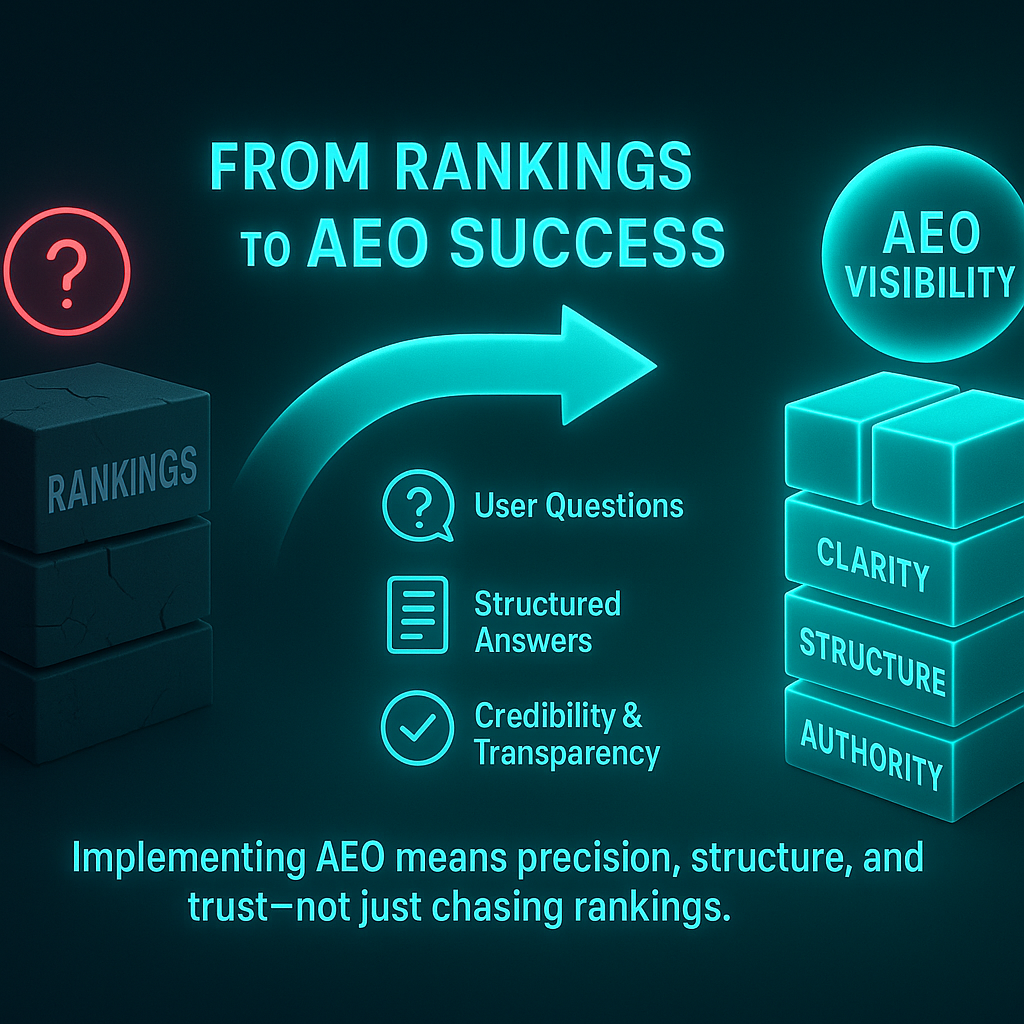
Understanding what Answer Engine Optimization is matters, but knowing how to apply it is where the real advantage lies. Startups that stop at theory risk falling behind as competitors put AEO into practice. Implementation requires a mindset shift: it’s not about chasing rankings; it’s about making information structured, credible, and transparent enough for AI systems to use directly.
Unlike traditional SEO, which often emphasizes long content and backlinks, AEO demands precision. That means answering questions directly, formatting content for machine readability, and signaling authority through transparency and expertise. It’s not just what you write, but how it’s presented and connected.
In the sections ahead, we’ll break down the five key steps to applying AEO effectively. You’ll learn how to:
Research user questions and AI-driven queries.
Structure content for AI readability.
Apply schema and structured data.
Build authority with E-E-A-T.
Measure AEO success.
Think of this as a practical toolkit, designed to help startups adapt quickly and secure visibility in the evolving AI-driven search environment.
How AI Answer Engines Choose Which Content to Cite?
AI answer engines do not choose content randomly. They follow patterns. Understanding these patterns helps startups design content that gets selected, summarized, and cited.
First, AI looks for direct answers. Pages that clearly answer a question in the first few lines perform better than long introductions. If the question is “What is Answer Engine Optimization?”, AI prefers a short, clear definition over a vague explanation.
Second, structure matters more than length. Content with headings, FAQs, bullet points, and numbered steps is easier for AI to scan and extract. Large text blocks without structure are harder to interpret, even if the information is good.
Third, AI evaluates context and consistency. It checks whether the page connects to related topics across the site. Content that sits inside a clear cluster, with internal links and supporting articles, signals deeper expertise.
Fourth, credibility signals influence selection. Named authors, updated dates, transparent sources, and real examples increase trust. AI systems favor content that looks maintained, authored by real people, and backed by experience.
Finally, AI prefers neutral, helpful language. Overly promotional claims reduce the chance of being cited. Clear, educational explanations perform better.
When startups align content with these signals, they increase their chances of appearing inside AI-generated answers, not just search results.
Step 1: Research User Questions and AI Queries
The foundation of AEO is understanding the questions your target audience is asking. Unlike traditional SEO keyword research, AEO prioritizes natural-language questions that people type or speak into search engines and AI tools. To succeed, startups must focus on intent-driven queries, not just keywords.

Where to Find User Questions?
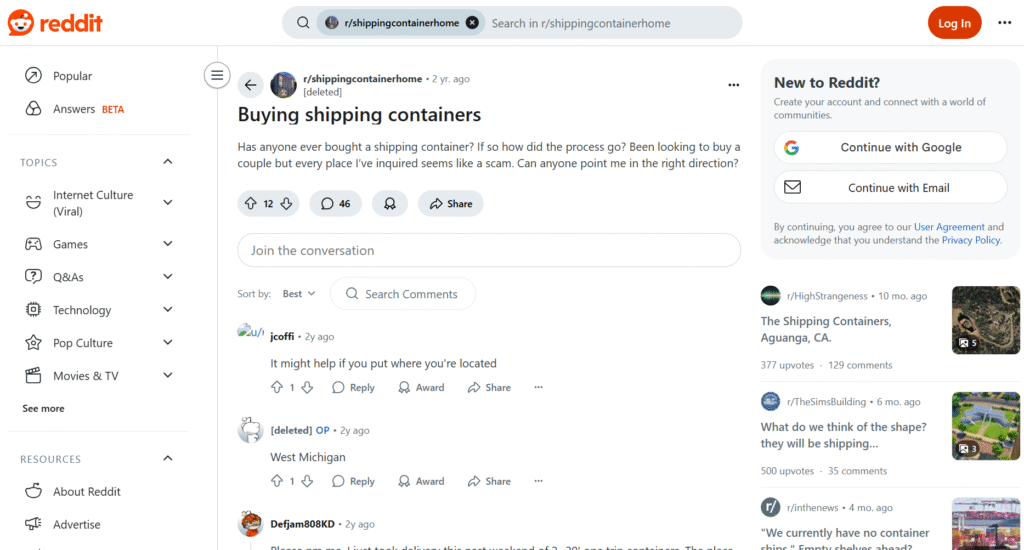
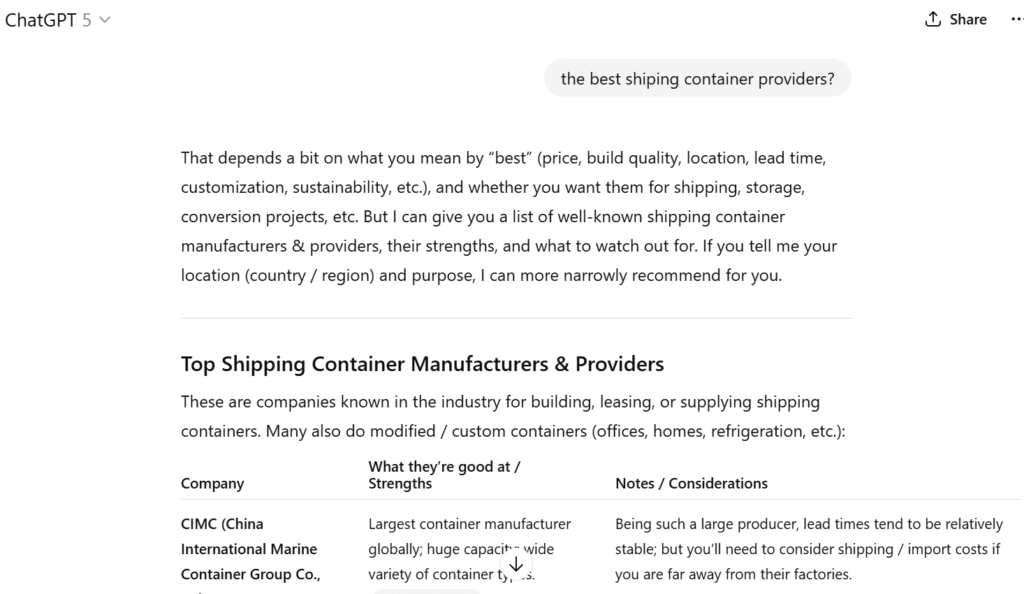
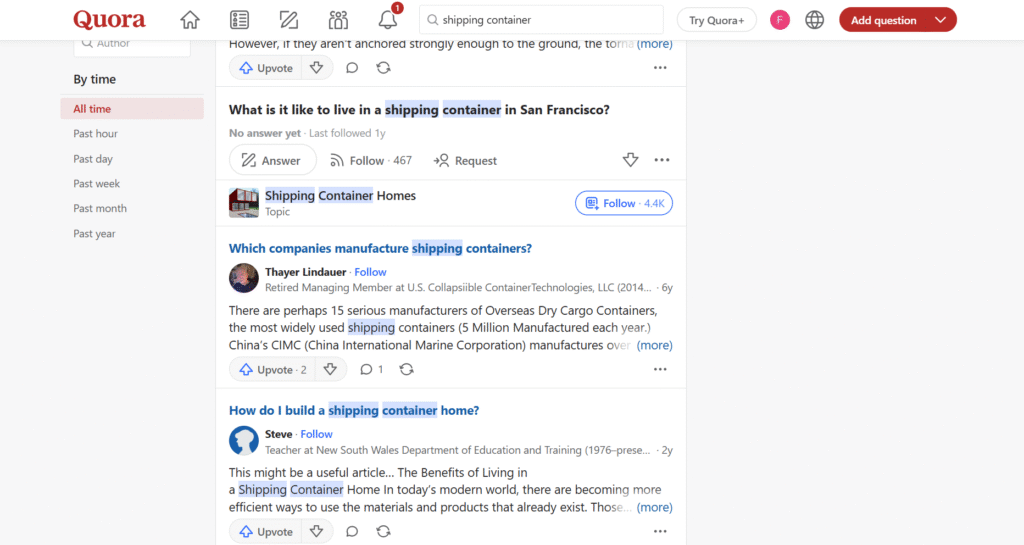
Start with tools already built into search: Google’s People Also Ask boxes, autocomplete suggestions, and related searches. These highlight the exact phrasing users rely on. Beyond search, platforms like Reddit, Quora, and niche forums reveal pain points in honest conversations. For AI relevance, test your industry questions directly in ChatGPT, Perplexity, or Google SGE to see how answers are generated and what type of information is cited.
Analyzing Intent
Every question carries intent. “What is the best digital wallet in Bangkok?” signals a comparison intent, while “How do I set up a digital wallet?” signals a how-to intent. Recognizing this difference lets you tailor responses in the correct format – lists for comparisons, step-by-step guides for tutorials, concise definitions for informational purpose.
Building a Question Map
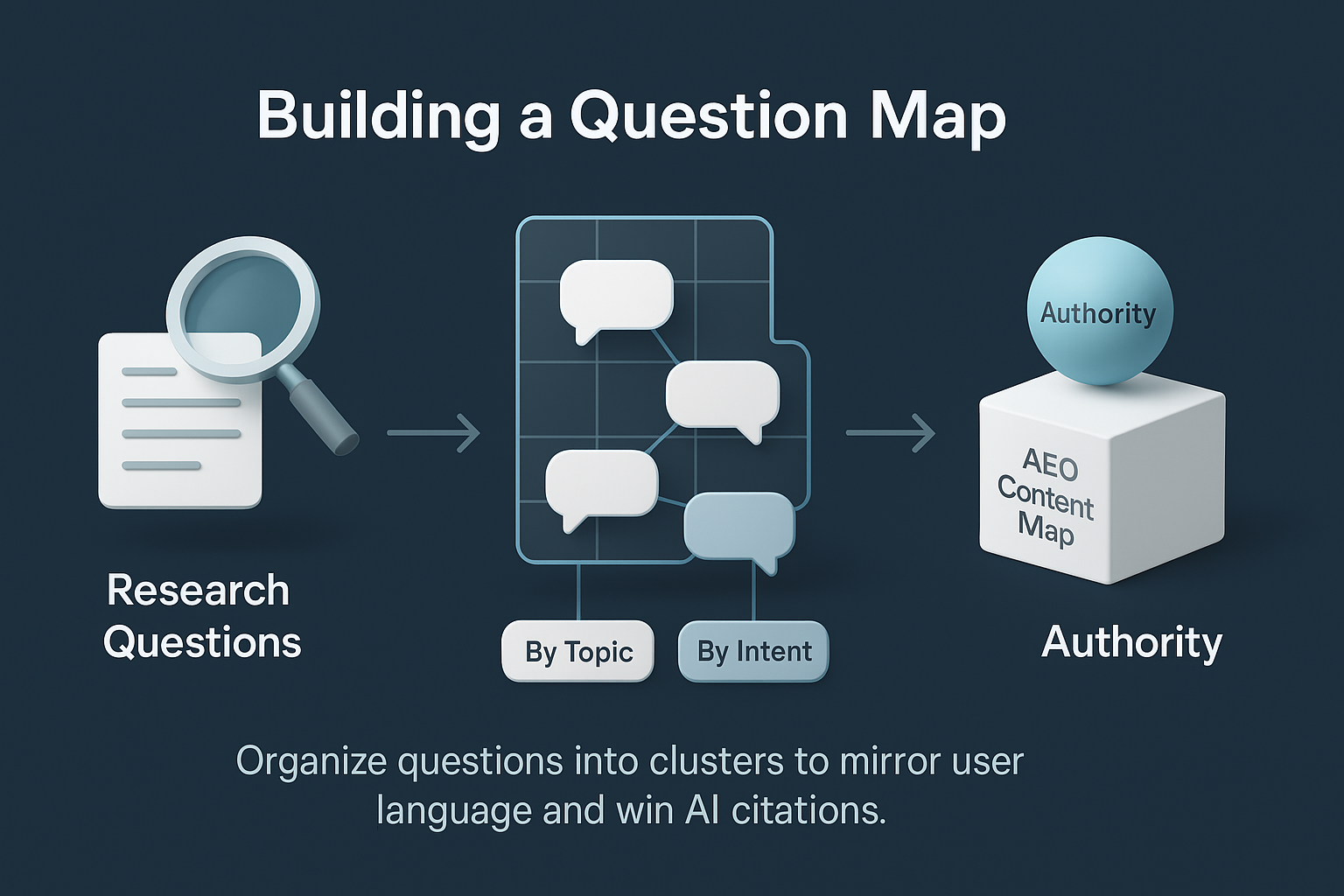
Create a central list of questions sorted by topic and intent. This becomes your “AEO content map.” Instead of chasing high-volume keywords, focus on clusters of related questions that, together, position your startup as the go-to authority in your niche.
By researching and organizing questions this way, startups ensure their content mirrors the language of real users, and becomes far more likely to be cited in AI-generated answers.
Step 2: Structure Your Content for AI Readability
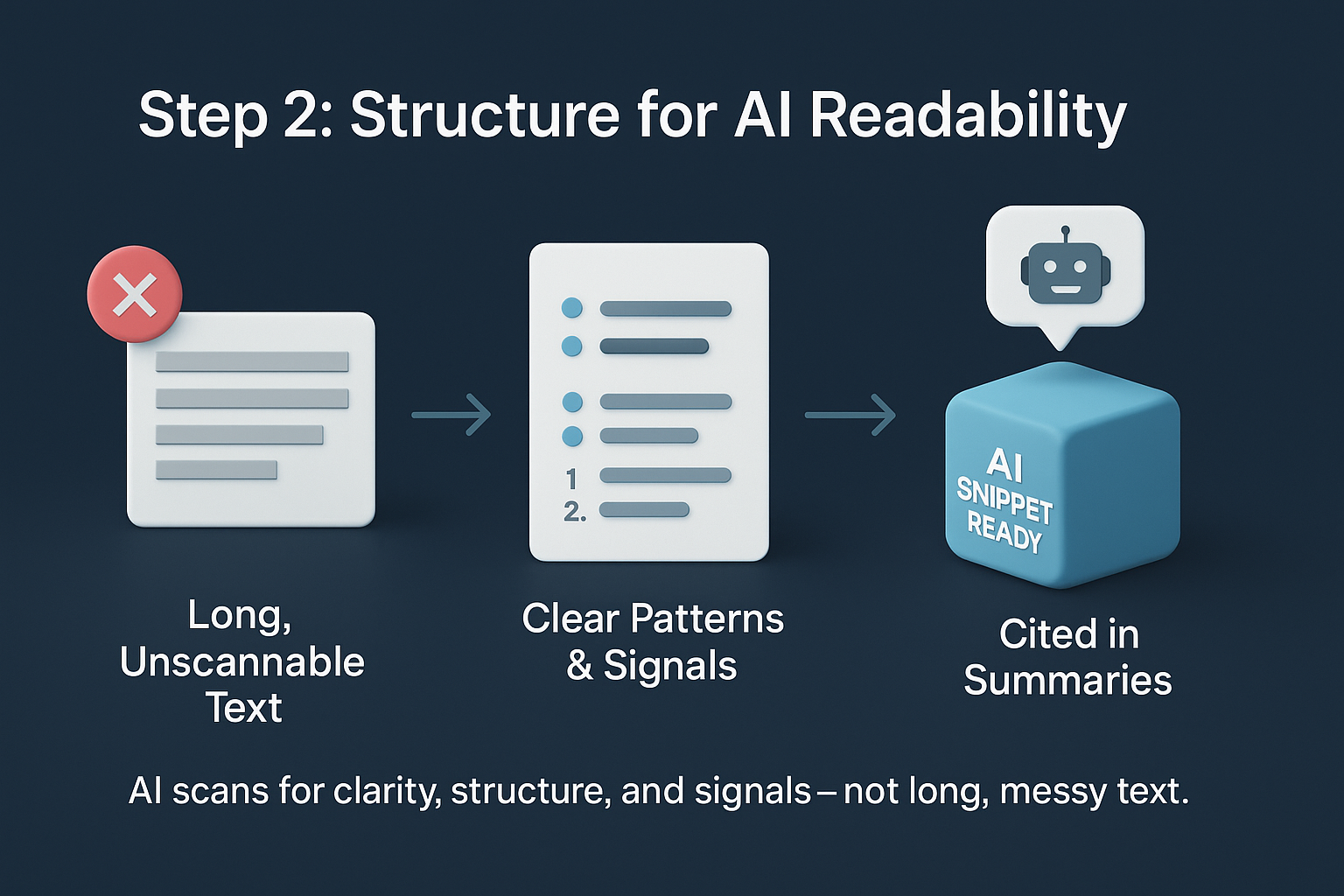
Once you know the questions users are asking, the next step is shaping your content so that AI systems can recognize and cite it easily. Traditional SEO often values long-form content, but AEO rewards clarity and scannability.
Why Structure Matters?
AI answer engines don’t read content like humans. They scan for patterns, structured formats, and clear signals that identify the best possible snippet to include in a summary. Poorly structured content often gets overlooked, despite containing valuable insights.
Formats AI Prefers
Here’s a simple framework showing how different formats help AEO:
| Format Type | Best For | Why It Works for AI |
|---|---|---|
| FAQs | Direct answers to key questions | Aligns perfectly with Q&A summary style |
| Bullet Lists | Comparisons or features | Easily extractable, no extra explanation |
| Numbered Steps | How-to or tutorials | Helps AI create structured guides |
| Tables | Side-by-side comparisons | Machine-readable, useful for summaries |
| Short Definitions | Core concepts | Concise, context-rich for quick answers |
Practical Example
Imagine a startup writing about eco-friendly products. Instead of one long article, they break it into:
An FAQ section addressing “What are eco-friendly materials?”
A bullet list comparing plastic vs. bamboo alternatives.
A short definition of “sustainable kitchenware.”
This structure ensures AI systems can parse and cite the content directly in generated answers.
Well-structured content bridges the gap between human readability and machine usability, helping startups appear inside AI summaries more consistently.
Step 3: Apply Schema and Structured Data
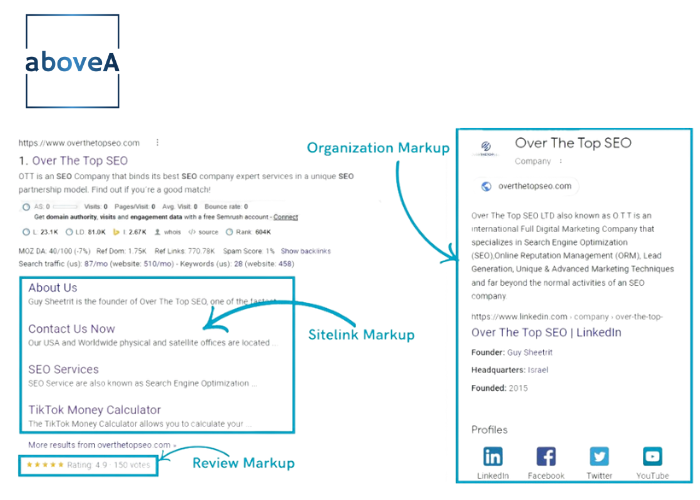
Even the best-written content can be invisible to AI if it isn’t machine-readable. That’s where schema markup and structured data come in. A schema is code added to your website that helps AI systems interpret context, meaning, and relationships between information.
Why Schema Matters?
Search engines and answer engines rely on structured data to confirm accuracy. Without a schema, AI may misinterpret your content or favor competitors with clearer signals. For startups, schema levels the playing field – small websites can appear alongside large brands if their data is better organized.
Common Schema Types for Startups
| Schema Type | Use Case | Why It Helps for AEO |
|---|---|---|
| FAQ | Question/answer content | Direct match for AI summaries |
| HowTo | Step-by-step tutorials | Guides AI to display instructions |
| Product | Ecommerce products | Highlights features, price, reviews |
| Organization | Company details | Establishes brand identity |
| Article | Blog or news content | Clarifies author, date, and expertise |
Practical Example
An e-commerce startup selling sustainable kitchenware can add a Product schema with fields for material, price, and rating. AI then interprets this information as reliable and uses it in summaries like “Top eco-friendly kitchenware options.”
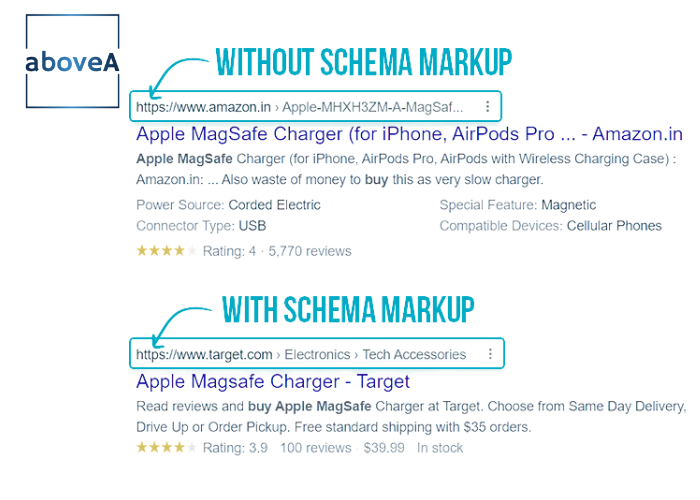
Takeaway
A schema is like giving AI a structured map of your content. By applying the right types, startups make their answers easier to extract and more likely to be cited.
Step 4: Build Authority with E-E-A-T
Authority is the backbone of Answer Engine Optimization. AI systems like Google SGE and ChatGPT do not simply select the most optimized page; they prioritize content that demonstrates credibility. That’s why E-E-A-T Experience, Expertise, Authority, and Trust is essential for startups. Even small teams can compete with large corporations if they focus on these signals.
Showing Experience and Expertise
Startups often underestimate the value of their own journey. Sharing lessons from product launches, pilot projects, or customer feedback can set you apart. This demonstrates real-world experience, something AI engines favor. Expertise should also be visible. Every article or guide should have a named author with a short biography outlining qualifications, past roles, or relevant achievements. When people see who is behind the words, credibility rises. Actionable step: audit your content and add clear author bios to each major post.
Building Authority Over Time
Authority grows when your startup is recognized by others. External mentions, whether from accelerators, partners, or media, act as validation. Even a single feature in an industry blog signals relevance to AI engines. Backlinks from trustworthy sites remain essential, but recognition doesn’t always need to be global; local credibility also carries weight. A short case study published on a partner site can be just as valuable. Actionable step: target at least one external feature or collaboration per quarter and link it back to your site.
Establishing Trust Through Transparency
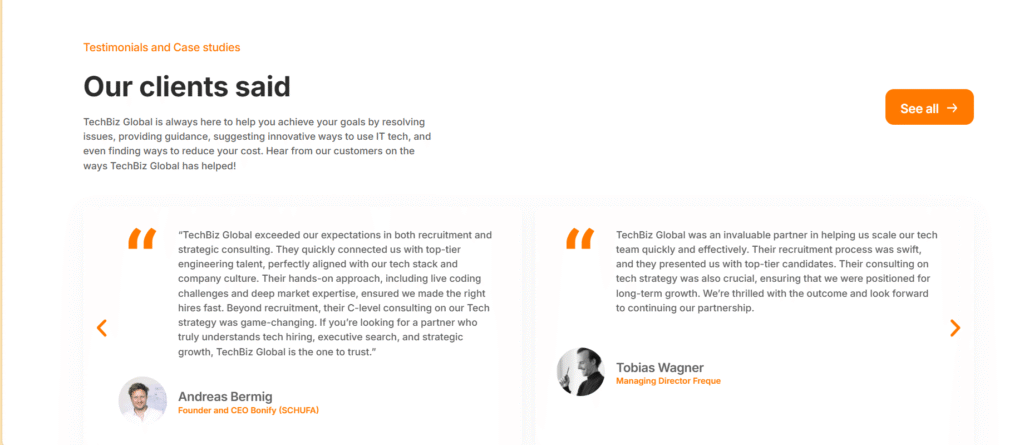
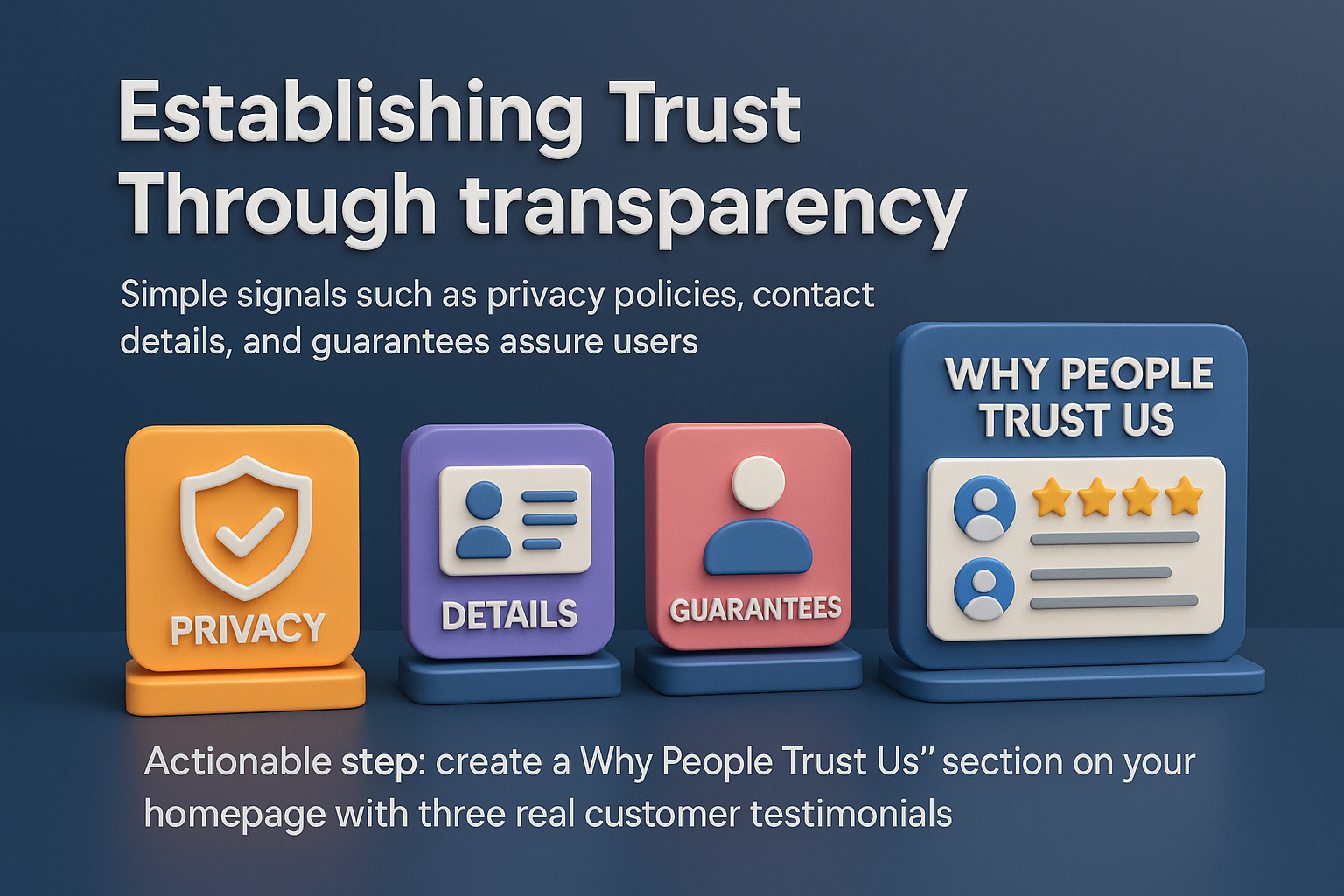
Trust is the final piece of E-E-A-T and often the easiest to build. Simple signals such as privacy policies, precise contact details, and visible guarantees assure users that your company is real and reliable. Testimonials and customer reviews add another layer of credibility. Startups sometimes delay collecting feedback until later, but even a handful of honest quotes from early adopters can make a big difference. Actionable step: create a “Why People Trust Us” section on your homepage with three real customer testimonials.
By consistently demonstrating experience, showing expertise, building authority, and establishing trust, startups create a foundation that AI cannot ignore. E-E-A-T isn’t a one-time task but an ongoing process. Each improvement strengthens credibility, increasing the chances that your content will be cited in AI-generated summaries.
Step 5: Optimize Context and Clusters
AI systems don’t view content as isolated pieces. They look at the bigger picture to judge authority and relevance. For startups, this means going beyond single articles and building content clusters, groups of connected resources that reinforce each other.
Why Context Matters in AEO?
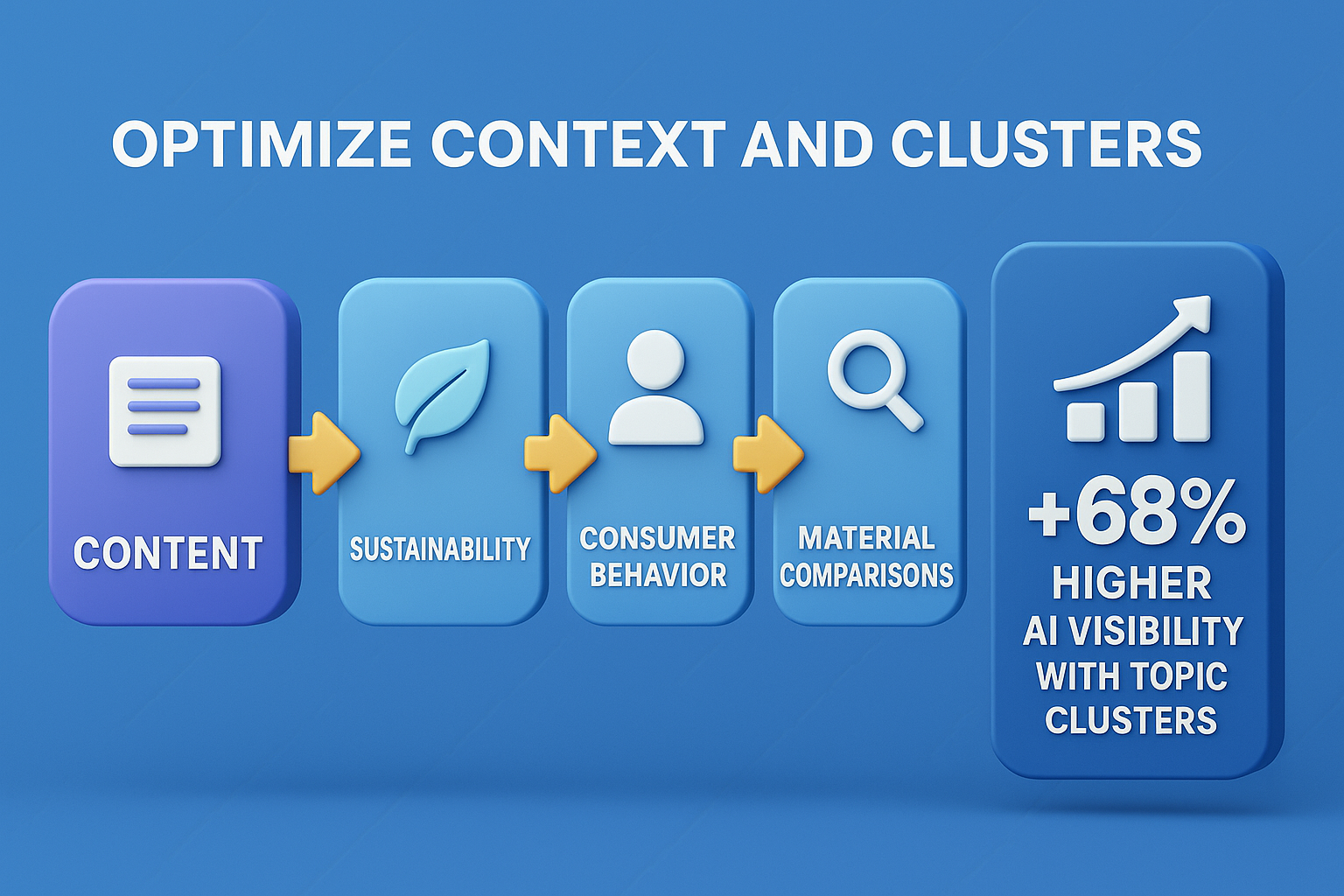
Traditional SEO often focused on one keyword per page, but AEO rewards broader coverage. When AI generates summaries, it prioritizes sources that provide context, not just definitions. For example, if you write about “eco-friendly kitchenware,” AI will favor content that also mentions sustainability practices, consumer behavior, and material comparisons. By addressing surrounding topics, you demonstrate knowledge of the entire subject, not just a piece of it. This interconnected context signals to AI that your brand is a trusted authority, increasing the likelihood of being cited.
Building Clusters That Signal Expertise
A content cluster starts with a pillar article, a broad guide that covers the central theme. Around it, you create supporting articles that dive deeper into subtopics. A fintech startup might write a comprehensive piece on “digital payments” as the pillar, then add related articles about fraud prevention, mobile banking, cross-border transactions, and customer adoption. Interlinking these pieces ties them together, guiding both users and AI systems through a structured knowledge path.
This approach serves two goals. First, it helps users navigate logically from general information to specific answers. Second, it strengthens the startup’s position as an expert in that domain. AI platforms are more likely to surface content from sites with depth, as clusters prove consistent investment in a subject.
Startups that build contextual clusters aren’t just publishing articles; they’re creating ecosystems of knowledge. This is precisely what AI engines are designed to highlight: reliable, comprehensive resources that reduce user effort and answer questions in full.
Step 6: Measure AEO Success
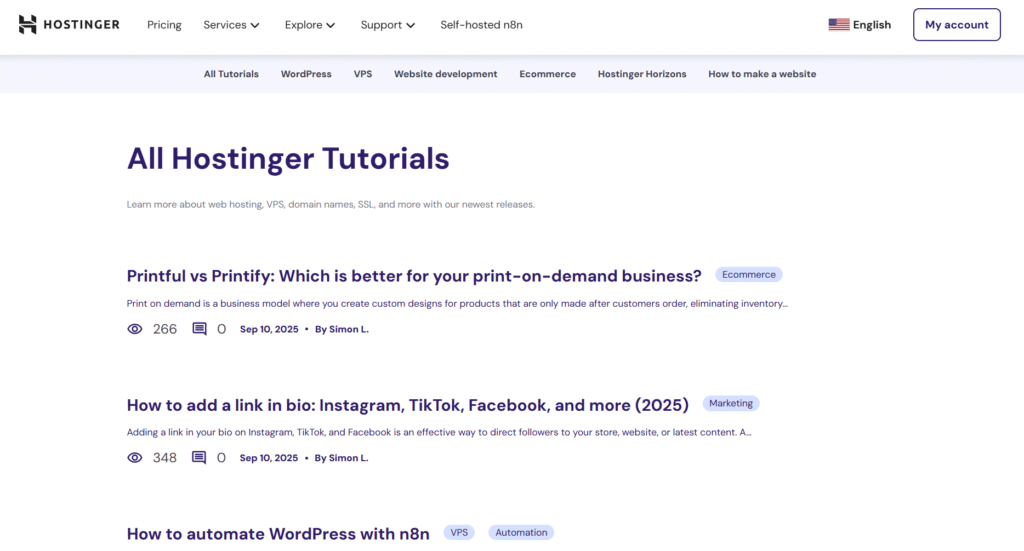
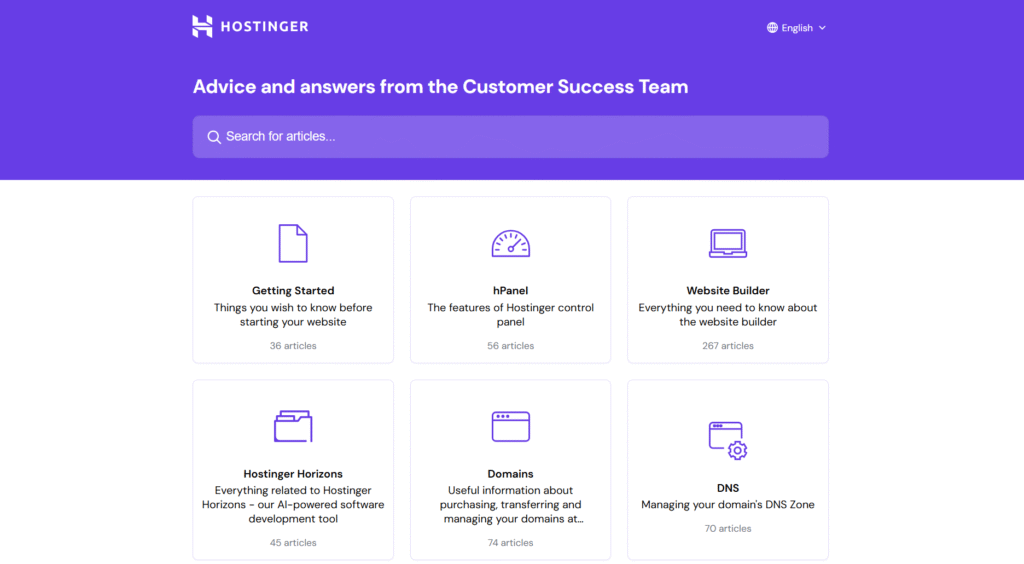
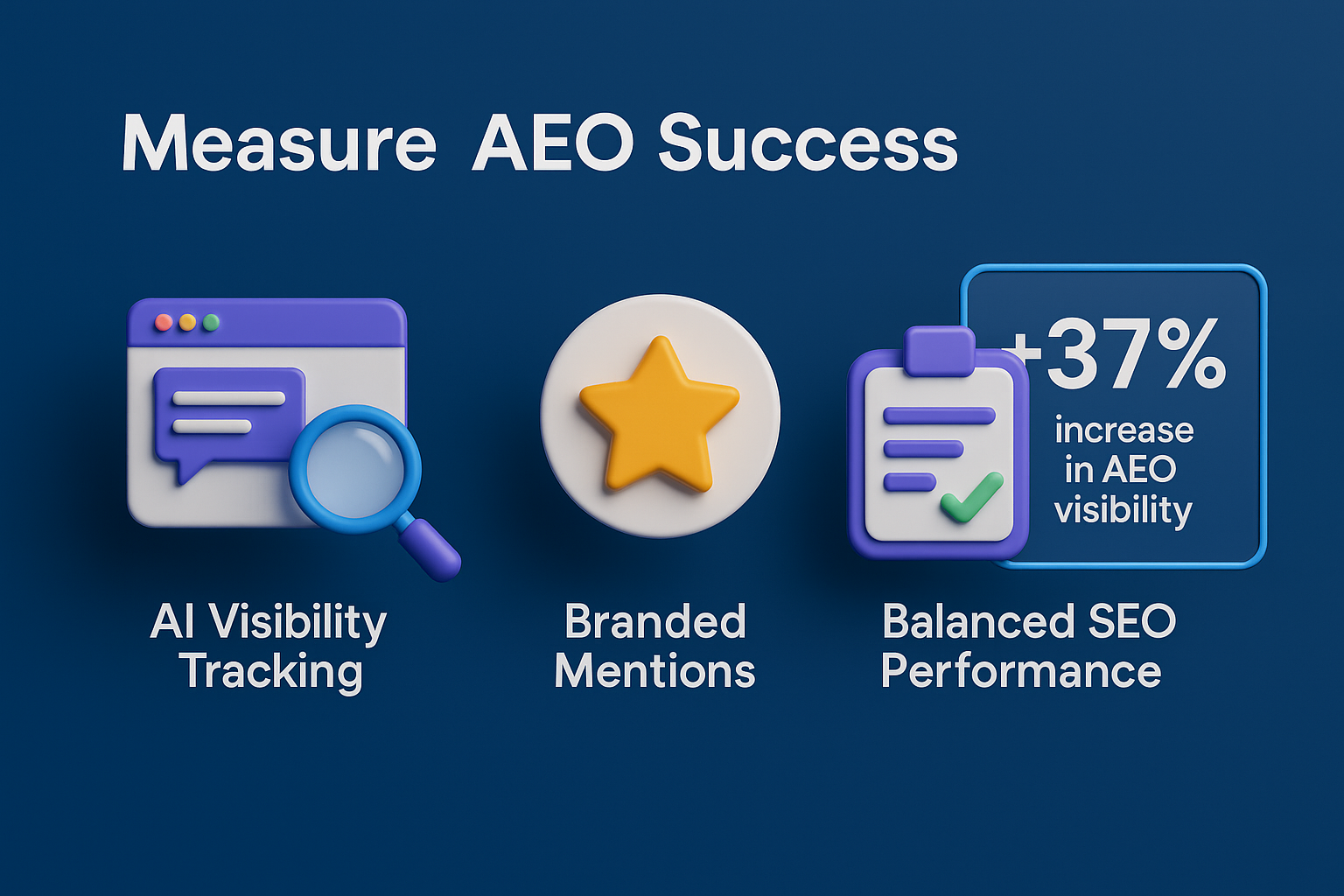
Answer Engine Optimization is still new, and measuring results can feel tricky. Unlike SEO, where rankings and traffic are straightforward, AEO visibility depends on how often your content appears in AI-generated answers. Startups need to track both traditional and emerging signals to know whether their strategies are working.
Tracking Visibility in AI Summaries
The first step is identifying whether your content is being cited in AI platforms. This can be done by running target queries in Google’s Search Generative Experience, ChatGPT, or Perplexity, and checking if your brand is mentioned. Some SEO tools are beginning to roll out AEO tracking features, but until they mature, manual testing is valuable. Monitoring branded search growth is also essential if more users type your company name alongside keywords, as it indicates that your content is resonating with them and sticking in their memory after seeing it in summaries.
Startups should also track engagement beyond clicks. Being referenced in an AI answer may not consistently deliver immediate website traffic, but it builds brand awareness and trust. Customers who see your name consistently in answers are more likely to remember you when making buying decisions.
Balancing AEO With Traditional SEO Metrics
AEO success doesn’t mean ignoring traditional SEO metrics. Organic traffic, time on site, and conversions are still critical to measure. However, expect patterns to shift. For example, overall clicks may decline in some areas because users get quick answers, but the traffic that does reach your site will often be higher-quality and closer to conversion.
The key is blending both measurement approaches. Track impressions and mentions in AI summaries for visibility, while monitoring traditional metrics for performance. Startups that balance the two gain a realistic view of their growth. This dual perspective helps ensure that AEO doesn’t replace SEO but strengthens it, creating a sustainable strategy that works today and prepares for the search landscape of tomorrow.
The Role of AI Tools in AEO Implementation
Answer Engine Optimization may sound technical, but startups don’t need to tackle it blindly. The same AI tools reshaping search can also be used to test, refine, and measure your strategy. By treating these platforms as both competitors and collaborators, founders gain a clearer sense of what works.
One of the simplest starting points is to test your target queries in tools like Google’s Search Generative Experience (SGE), ChatGPT, or Perplexity. Enter questions your customers might ask, such as “What is the best digital wallet in Bangkok?” or “Where to buy sustainable kitchenware in the U.S.”—and review the answers. If your brand or content is missing, you’ll know where to adjust. This direct testing is like seeing through the eyes of your audience.
AI platforms can also help generate content ideas. Tools like ChatGPT can surface common questions, variations in phrasing, and even overlooked subtopics that should be covered in your content clusters. While these outputs aren’t perfect, they provide a quick way to identify gaps.
For implementation, AI tools can support content structuring. From generating draft FAQs to suggesting concise definitions, they help startups frame information in the formats answer engines prefer. The key is to refine AI output with human expertise, combining automation with authentic credibility.
Finally, emerging analytics tools are beginning to include AEO tracking features. While still early, these platforms aim to show when your content appears in AI summaries. Until then, manual testing and monitoring branded search growth remain the most reliable signals.
Startups that use AI tools proactively will gain faster insights, save time on research, and fine-tune their AEO strategy with greater precision. The technology disrupting search is also the technology that can help you master it.
Common AEO Mistakes Startups Make
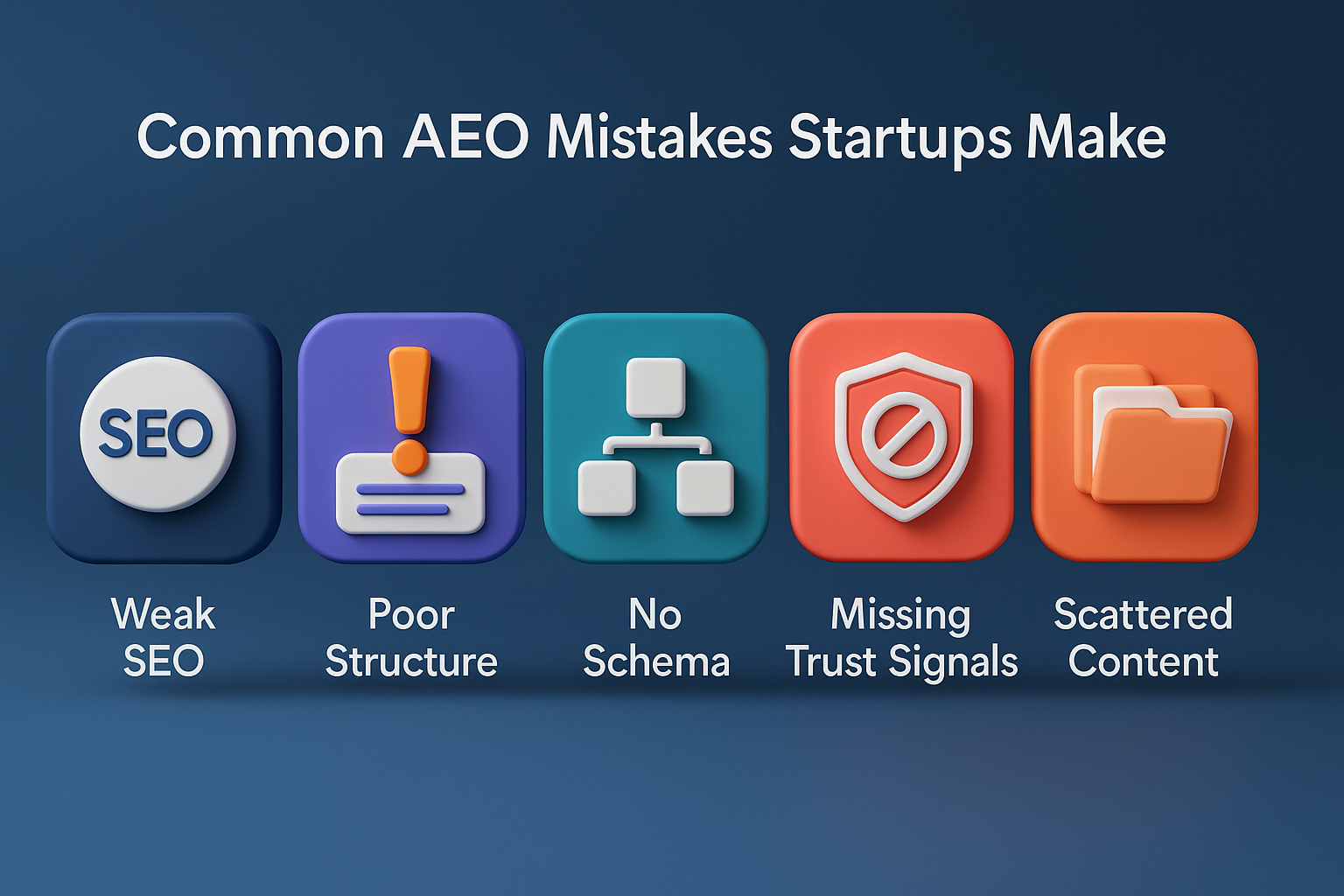
Many startups rush into Answer Engine Optimization with good intentions but fall into common traps that limit results. One mistake is treating AEO as a replacement for SEO rather than an extension of it. Ignoring long-term ranking strategies leaves gaps that AEO alone cannot fill. Another error is publishing content that looks polished to human readers but is unstructured for machines. AI engines cannot extract clear answers from text buried in long, unfocused paragraphs. Startups also often neglect schema markup, which provides critical signals to help AI interpret meaning accurately. A further mistake is failing to demonstrate credibility omitting author bios, client testimonials, or transparent sourcing weakens trust. Finally, many teams scatter efforts without a clear roadmap, producing isolated articles instead of cohesive clusters. Avoiding these mistakes ensures that startups don’t just experiment with AEO but actually secure measurable visibility in AI-generated answers.
Industry-Specific AEO Tactics
Every industry approaches AEO differently. Startups can tailor their strategy to match how customers search and how AI interprets trust in each field.
Fintech – Highlight trust and compliance. Publish clear explainers on regulations, use founder bios to showcase expertise, and structure FAQs around security, fraud prevention, and digital payment adoption. Schema for financial products strengthens credibility.
Ecommerce – Focus on product schema. Optimize descriptions with bullet-point features, add reviews and ratings, and build clusters around shopping guides. FAQs like “What are the best eco-friendly kitchen tools?” fit perfectly into AI-generated summaries.
SaaS – Emphasize tutorials and comparisons. Create step-by-step how-to guides with HowTo schema, produce short definition explainers, and publish comparison articles like “best marketing dashboards for startups.” These formats are highly extractable by AI tools.
Healthtech – Prioritize medical credibility. Author bios with credentials, cited research, and transparent sourcing are mandatory. Short Q&A content about treatments, apps, or telemedicine ensures AI selects your answers without risking misinformation.
EdTech – Showcase expertise and learning outcomes. Create content clusters around teaching methods, student success, and emerging learning technologies. Use testimonials and case studies to strengthen trust. FAQ schema helps surface concise learning-related answers.
By aligning AEO tactics with industry-specific expectations, startups can maximize visibility and credibility where it matters most.
The Future of AEO Beyond 2026
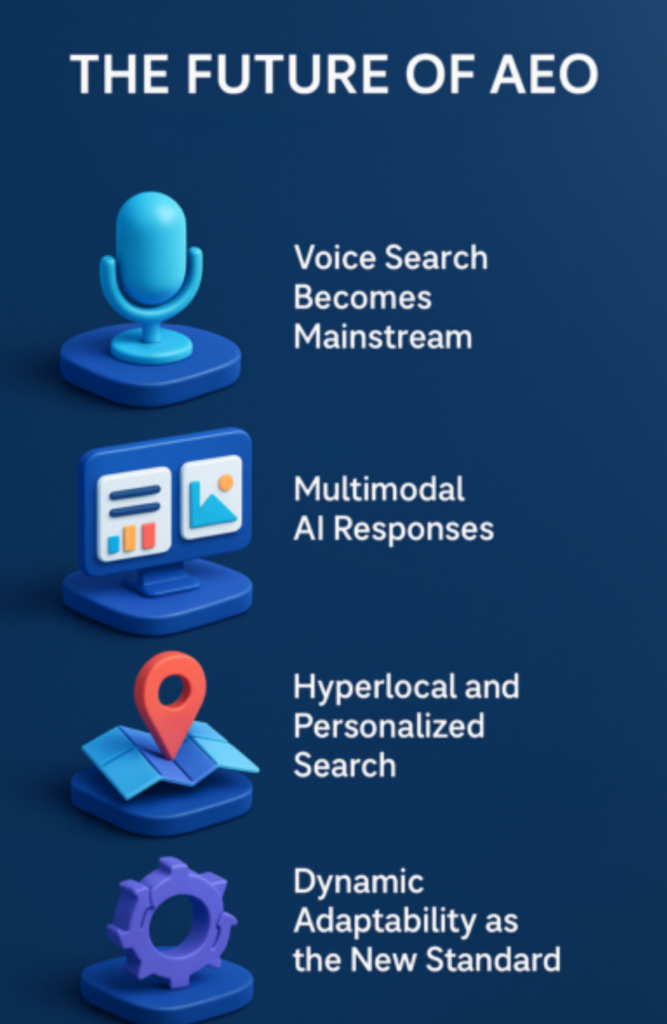
Answer Engine Optimization is only beginning to show its potential. Startups that think ahead will position themselves for long-term visibility as AI transforms search. Looking beyond 2026, several shifts stand out.
Voice Search Becomes Mainstream
Voice assistants are evolving into full search companions. Users will rely on natural, conversational questions instead of typing short queries. Content designed in a dialogue-friendly style, FAQs, conversational headlines, and step-by-step explainers will become more valuable than ever.
Multimodal AI Responses
Answer engines are moving beyond plain text. AI summaries will combine words, images, charts, and even video clips. Startups that invest in diverse content, infographics, visuals, and explainers will see their assets pulled directly into AI-driven answers.
Hyperlocal and Personalized Search
AI platforms are increasingly location- and context-aware. A user in New York asking about sustainable products will see different answers than one in Bangkok. Optimizing for hyperlocal intent, culture, and customer behavior will become crucial.
Dynamic Adaptability as the New Standard
The future of AEO is adaptability. Strategies will no longer be set-and-forget. Instead, startups must constantly update content, test emerging tools, and align with how AI engines evolve. Agility, not size, will determine who stays visible.
By anticipating these shifts, startups can build resilience. Voice, multimodal assets, hyperlocal targeting, and adaptability will define the next phase of AEO. Those preparing today will lead tomorrow.
Building an AEO Roadmap for Your Startup
Answer Engine Optimization can feel overwhelming if you try to do everything at once. A simple phased roadmap helps startups focus on what matters most and build momentum step by step.
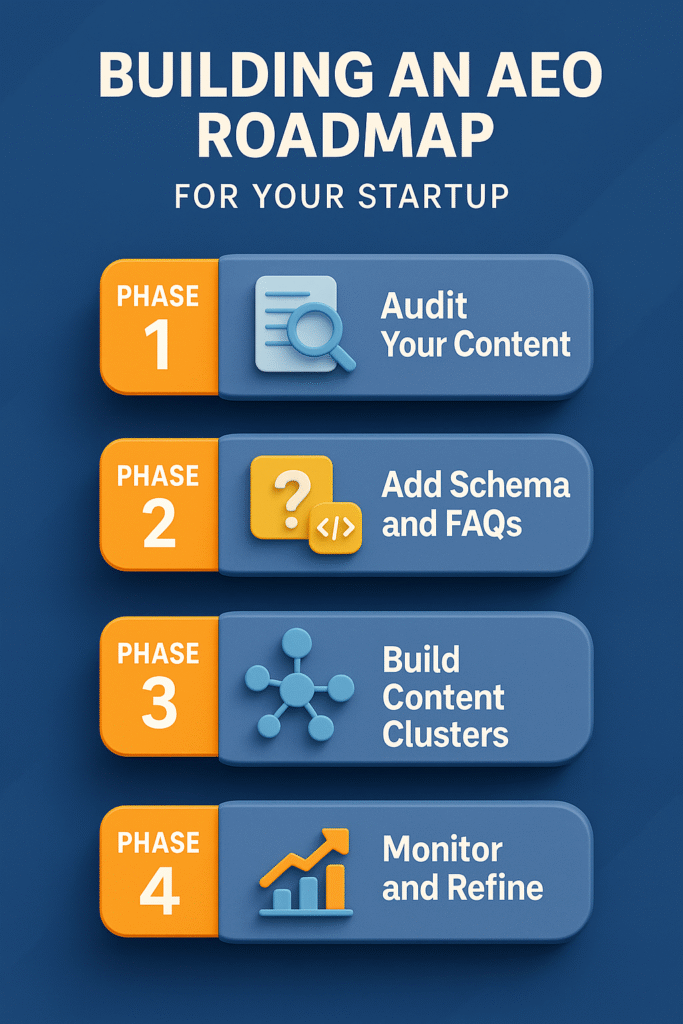
Phase 1: Audit Your Content
Start with what you already have. Review existing articles, product pages, and FAQs. Ask: Are they structured for easy extraction? Do they include clear answers? An audit reveals gaps and gives you a baseline for improvement.
Phase 2: Add Schema and FAQs
Once gaps are identified, layer on structured data. Apply the FAQ schema to question-based content, the HowTo schema to tutorials, and the Product schema to ecommerce pages. At the same time, rewrite content to include direct, concise FAQs that AI can use immediately.
Phase 3: Build Content Clusters
Choose one theme your startup wants to own, like digital payments, sustainable products, or SaaS analytics, and create a pillar article supported by smaller, related posts. Interlink them so both users and AI engines see a clear knowledge structure.
Phase 4: Monitor and Refine
Optimization doesn’t stop after publishing. Test queries in AI platforms to see if your content is cited. Track branded search growth, customer mentions, and organic performance. Regularly refine content, update answers with fresh data, and adjust them based on visibility trends.
This phased roadmap ensures startups don’t get lost in theory. By following this process, founders create a repeatable cycle of audit, structure, expansion, and refinement that builds steady authority in AI-driven search.
Budgeting and Resources for AEO
For early-stage startups, Answer Engine Optimization doesn’t have to drain resources. The key is deciding where to invest time, tools, or outside help and what can be managed internally.
Doing it in-house keeps costs low but requires consistent time from founders or team members. Schema markup, FAQ writing, and audits can often be handled without advanced tools. However, this approach depends on discipline and learning. Partnering with an agency increases costs but saves time and brings expertise, especially when scaling or entering competitive industries. Here’s a breakdown of typical resource needs:
| Resource | Cost Range | In-House Option | Agency/External Option |
|---|---|---|---|
| Time | $0 (but 5–10 hrs/week) | Founder or marketer handles audits, FAQs | Reduced time burden if outsourced |
| Tools | $50–200/month | Free schema testers + low-cost SEO tools | Agencies include premium tools in pricing |
| Content/Team | $500–1,500/month | Hire freelancer or part-time writer | Agency creates and optimizes content |
| Strategy | $0–$500 (learning) | Self-education via guides/courses | $1,500–$3,000/month for ongoing strategy |
In-house works best for startups testing AEO on a tight budget. Agencies make sense when time is scarce or faster traction is needed. Many founders start small internally, then scale with agency support once results prove valuable.
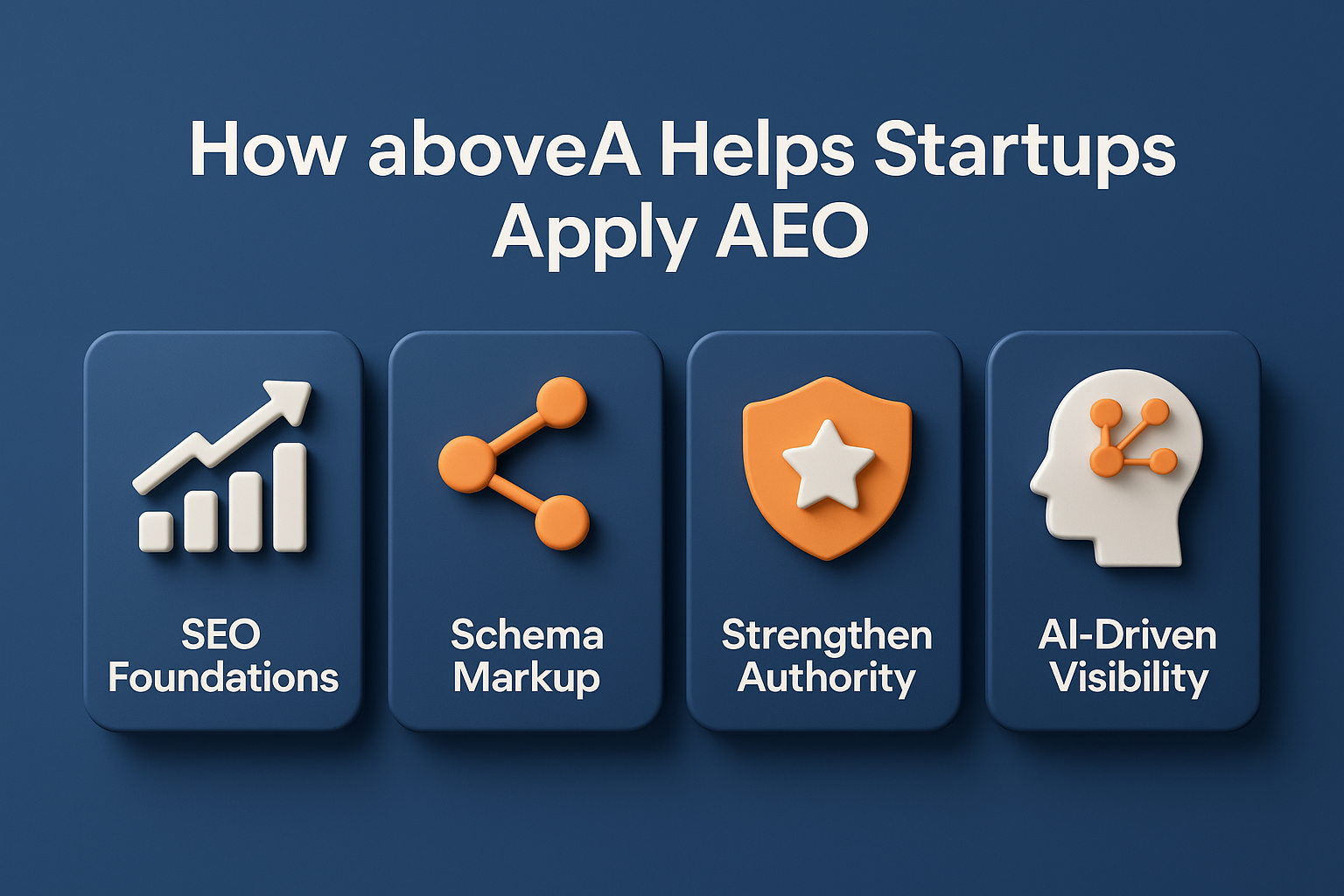
How aboveA Helps Startups Apply AEO?
At aboveA, we specialize in helping startups adapt to the future of search. Our approach combines traditional SEO foundations with modern AEO strategies, ensuring startups are visible both in search rankings and inside AI-generated answers. We structure content into clear, machine-readable formats, apply schema markup, and strengthen authority with founder expertise and case insights. By blending these elements, we make startups discoverable in the channels users now rely on most. With aboveA, founders gain not just traffic, but sustainable credibility in the AI-driven era.
Conclusion
Answer Engine Optimization is reshaping search in 2026. For startups, it provides a rare chance to compete with larger brands by focusing on clarity, trust, and precision. Implementing AEO today means visibility tomorrow. With the proper structure and guidance, your startup can appear where AI decides what users see. aboveA helps founders take that step, turning strategy into action and visibility into growth. The future of search is already here. The question is: will your startup be seen?
AOE Frequently Asked Questions
How do I start with Answer Engine Optimization (AEO)?
Begin by researching user questions, structuring content into FAQs and lists, applying schema markup, and building authority signals. Start small with one content cluster and expand strategically for long-term results.
Do I need schema markup for AEO to work?
Yes, schema markup makes your content machine-readable, helping AI systems interpret meaning clearly. Without it, valuable content may be overlooked. Implement FAQ, HowTo, Product, or Article schema depending on your startup’s focus.
How long does it take to see AEO results?
Timelines vary, but most startups notice improvements within three to six months. AI-generated mentions often appear faster than SEO rankings, though building lasting authority requires consistent effort and structured content creation.
Can AEO really help small startups compete with big brands?
Yes, AEO levels the playing field. Unlike SEO, which prioritizes domain strength, AEO emphasizes clarity, transparency, and structured data, enabling startups to provide precise, trustworthy answers and be cited alongside established competitors.
Is AEO a one-time setup or an ongoing process?
AEO is ongoing. AI systems change often, so startups must update answers, refresh content, add new questions, and improve structure regularly to stay visible and trusted.
How does aboveA support startups with Answer Engine Optimization (AEO)?
aboveA helps startups turn AEO into action. We research real user questions, structure content for AI readability, apply schema markup, and strengthen authority signals so startups appear in AI-generated answers and grow with confidence.
